

Slim toaster models are transforming the way small kitchens save space and prepare perfect toast quickly, but finding the right balance between compact design and reliable performance isn’t straightforward. If you want to make every inch of your counter count without sacrificing quality, knowing what sets the best slim toasters apart is essential.
Key Takeaways
- Slim toaster demand is surging as urban homes shrink and kitchen counter space becomes valuable.
- Most slim toasters focus on 2-slice formats, but not all are created equal—dimensions and features vary widely.
- Smart shoppers look beyond size, prioritizing slot dimensions, bread compatibility, and crucial safety certifications.
- What Is a Slim Toaster and Why Does It Matter?
- How to Choose the Best Slim Toaster: Step-by-Step
- Advanced Analysis & Common Pitfalls When Buying a Slim Toaster
- Conclusion: Making Every Inch Count
- Frequently Asked Questions
What Is a Slim Toaster and Why Does It Matter?
A slim toaster is a compact, space-saving kitchen appliance designed primarily for busy urban households or anyone battling for counter space. Unlike traditional models, slim toasters offer a narrow profile—often less than 7 inches wide—making them ideal for apartments, college dorms, or minimal kitchens.
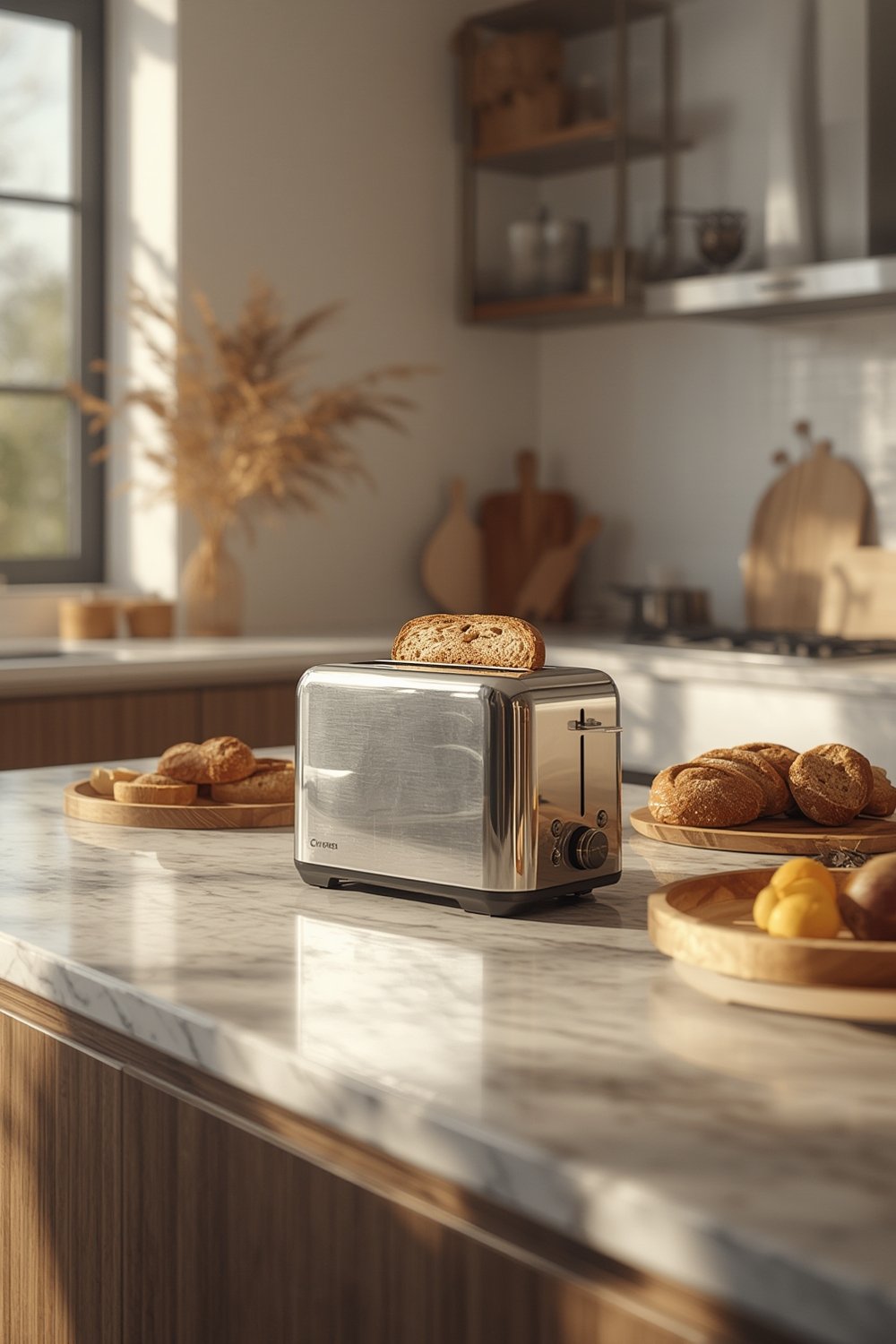
The demand for sleek, efficient toasters keeps rising. According to industry reports, compact 2-slice toasters now dominate the market, representing over half of all sales. This surge is linked to smaller households and modern kitchen layouts that prioritize functionality without clutter.
But why does it matter? A well-chosen slim toaster not only saves space but can offer the same browning performance as bulky models—sometimes with added technology, like auto-sensing or digital controls. However, the wrong pick can mean slices that don’t fit or sub-par toast quality. Knowing the key considerations is the difference between gadget love and countertop regret.
How to Choose the Best Slim Toaster: Step-by-Step
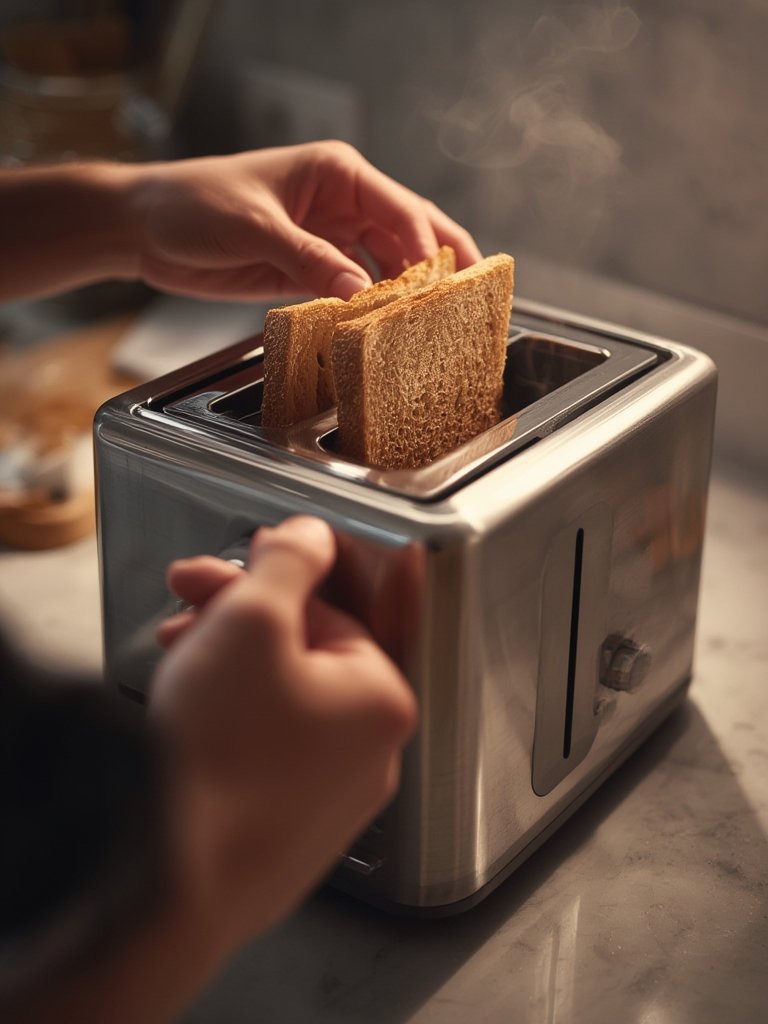
Picking out a slim toaster can get overwhelming fast, especially when every brand claims theirs is the most compact and reliable. Follow this step-by-step process to confidently select a slim toaster that meets your real-world needs.
-
Decide on Your Must-Have Features
Do you want extra-wide slots for bagels? Reheat and defrost functions? An LCD browning monitor like the Tineco Toasty One? Make a short list—don’t assume all slim toasters have these. -
Prioritize Verified Dimensions
Manufacturers rarely standardize “slim” across brands. Measure your allowed footprint. Anything 7 inches wide or less is truly slim. Height and depth matter too if you plan to store your toaster away. -
Check Slot Length and Bread Compatibility
Many complaints stem from bread not fitting! While data is scarce in research, real-world reviews often highlight slot length and whether specialty or thick-cut bread fits. -
Consider Safety and Certification
Look for products with recognized electrical safety marks and proper heat shielding. If this information isn’t listed, chances are the toaster wasn’t tested for small-space safety. -
Read User Reviews for Long-Term Reliability
No research database can replace aggregated user feedback. Look for mentions of breakdowns over time, lever failures, or uneven browning. -
Set a Realistic Budget Range
While pricing data for slim toasters is rarely published in industry reports, expect to pay a small premium versus standard models for the same feature set. Shopping during seasonal sales or direct brand promotions can help.
If you’re optimizing a kitchen overhaul, you may also consider pairing your slim toaster with other space-saving essentials, such as a modern wall mounted coat rack or the best portable coffee grinder for a streamlined countertop.
Advanced Analysis & Common Pitfalls When Buying a Slim Toaster
Even with the sharpest focus, there are traps every slim toaster buyer can fall into. Research reveals several overlooked pitfalls:
| Common Pitfall | Description | How To Avoid |
|---|---|---|
| Slot size too tight | Standard and artisan bread varieties don’t fit, requiring slices to be trimmed or double toasted | Check detailed user photos and Q&A. Favor real slot measurements over “standard” claims. |
| Overheating in tight spaces | Poor ventilation may lead to toasters running hot, which can trip outlets or damage cabinets over time | Ensure there’s at least 2 inches clearance on all sides. Choose toasters with heat shielding. |
| Unstable base design | Narrow footprint without anti-slip feet makes some toasters easy to tip | Only buy models with certified stability or verified rubber feet. |
| Lever or control failures | Compact mechanisms can wear faster in budget models | Read critical user reviews mentioning durability 6+ months in. |
| Poor browning consistency | Shorter heating elements may mean uneven toast, especially for edge slices | Look for performance-tested models. If in doubt, buy from brands with generous return policies. |
Many leading competitor articles skip over fine safety and spec details. Be sure to consider:
- Certifications — Look for UL, ETL, or equivalent marks, especially for appliances used near combustibles.
- Warranty and Support — Reliability varies. Favor brands with real support, so you’re not left hanging if a lever fails after a few months.
- Slot Size Testing — Try different bread types upon unboxing, or rely on sources that test performance across various sliced breads.
For example, if you value review transparency, see how modern smart air fryer reviews or slow cooker analysis scrutinize product reliability and features in real kitchens—set similar standards for your slim toaster purchase.
Conclusion: Making Every Inch Count
Choosing a slim toaster isn’t just about grabbing the smallest model on the shelf. It’s balancing size, bread compatibility, safety, and lasting reliability—while keeping your kitchen’s style and routine in mind. Always measure twice, verify slot dimensions, read user feedback, and look for real safety certifications to get the best out of your slim toaster. Ready to create more space and still enjoy perfect toast? Start your search with these tips—then explore trusted product reviews and make every inch of your kitchen count. For more ways to optimize your kitchen, discover why the magic bullet small blender and OXO Good Grips butter dish are favorites for space-saving functionality.
Frequently Asked Questions
What exactly defines a slim toaster?
A slim toaster is a narrow-profile appliance (usually 7 inches wide or less) designed specifically for tight kitchens or limited countertops without compromising on basic toasting features.
Will a slim toaster fit artisan or oversized bread slices?
It depends. Many slim toasters have shorter or narrower slots. Always check the slot length and width—some models struggle with large sourdough or bakery bread.
Are slim toasters less safe than standard toasters?
Not if you check for proper certifications like UL or ETL. That said, always ensure good ventilation and never sandwich your slim toaster between other appliances or walls.
Why do prices on slim toasters seem higher for similar features?
Slim toasters often involve extra engineering for compactness and stability. Expect a small price premium, especially for models with smart features or premium materials.
Where can I find real-world slim toaster measurements or reviews?
Retailer review sections (with user photos) are invaluable. Product review blogs such as the mandoline slicer review or portable coffee grinder analysis often include accurate hands-on specs.