

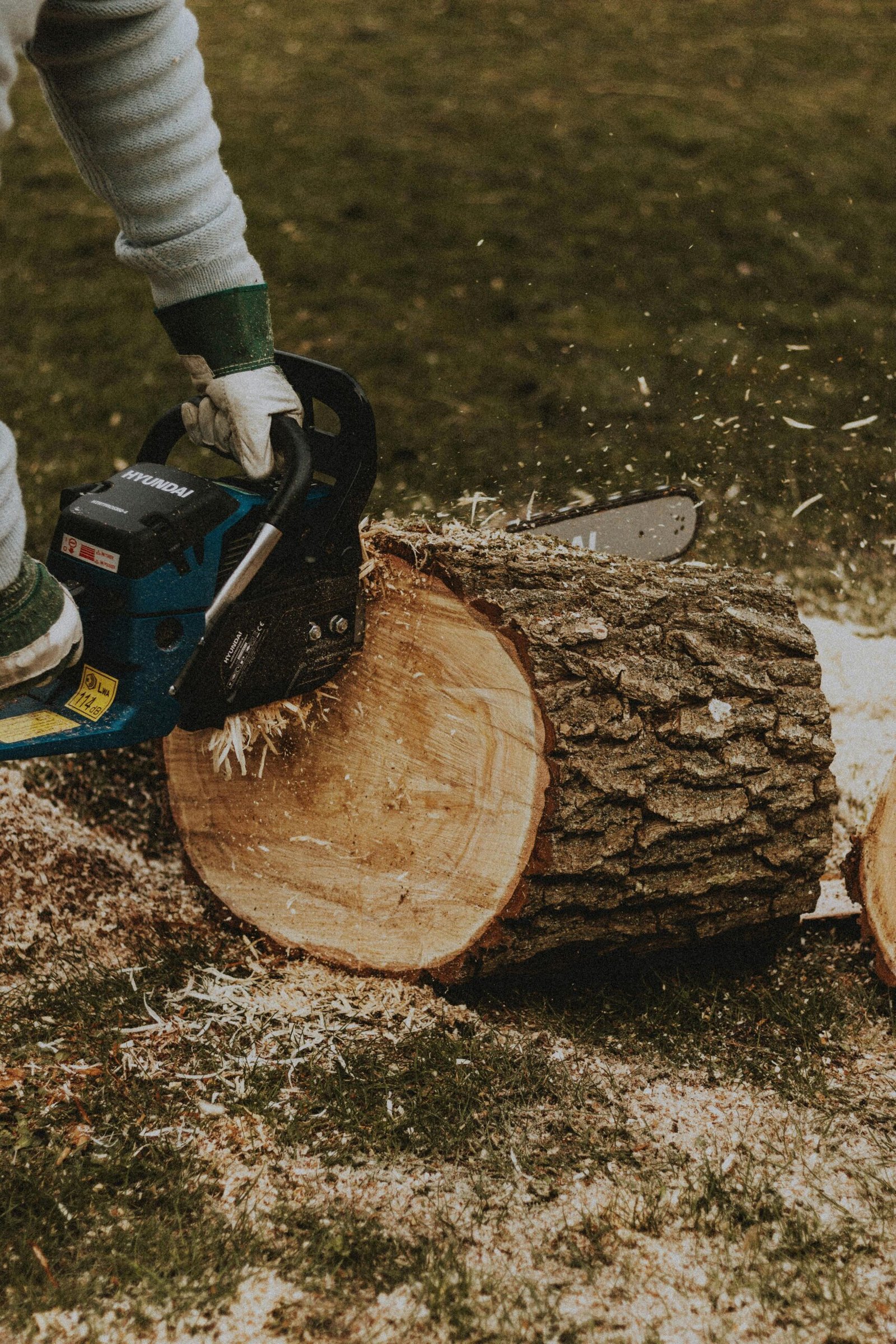
Portable electric chainsaw models have quickly become the go-to solution for quick, safe yard work and easy branch removal—especially for homeowners and DIY garden enthusiasts. But what makes these mini cordless chainsaws stand out in 2024, and what pitfalls should buyers expect before making a purchase?
Key Takeaways
- Portable electric chainsaws dominate the mini chainsaw market due to their light weight and growing battery technology.
- Major pain points include battery life, cutting power, and potential safety risks, demanding attention before buying.
- Understanding real-world pros, cons, and overlooked buyer concerns is essential for choosing the best mini chainsaw for yard work.
- What is a Portable Electric Chainsaw and Why Choose One?
- How to Use a Portable Electric Chainsaw: Step-by-Step Guide
- Advanced Analysis: Pitfalls, Drawbacks, and Practical Problems
- Conclusion
- FAQ
What is a Portable Electric Chainsaw and Why Choose One?
A portable electric chainsaw is a lightweight, battery-powered tool designed for quick, safe pruning and branch removal without the complexity or exhaust fumes of gas chainsaws. Thanks to advances in lithium-ion batteries, these tools are now a top choice for residential users, urban gardeners, and anyone seeking efficient yard maintenance solutions.
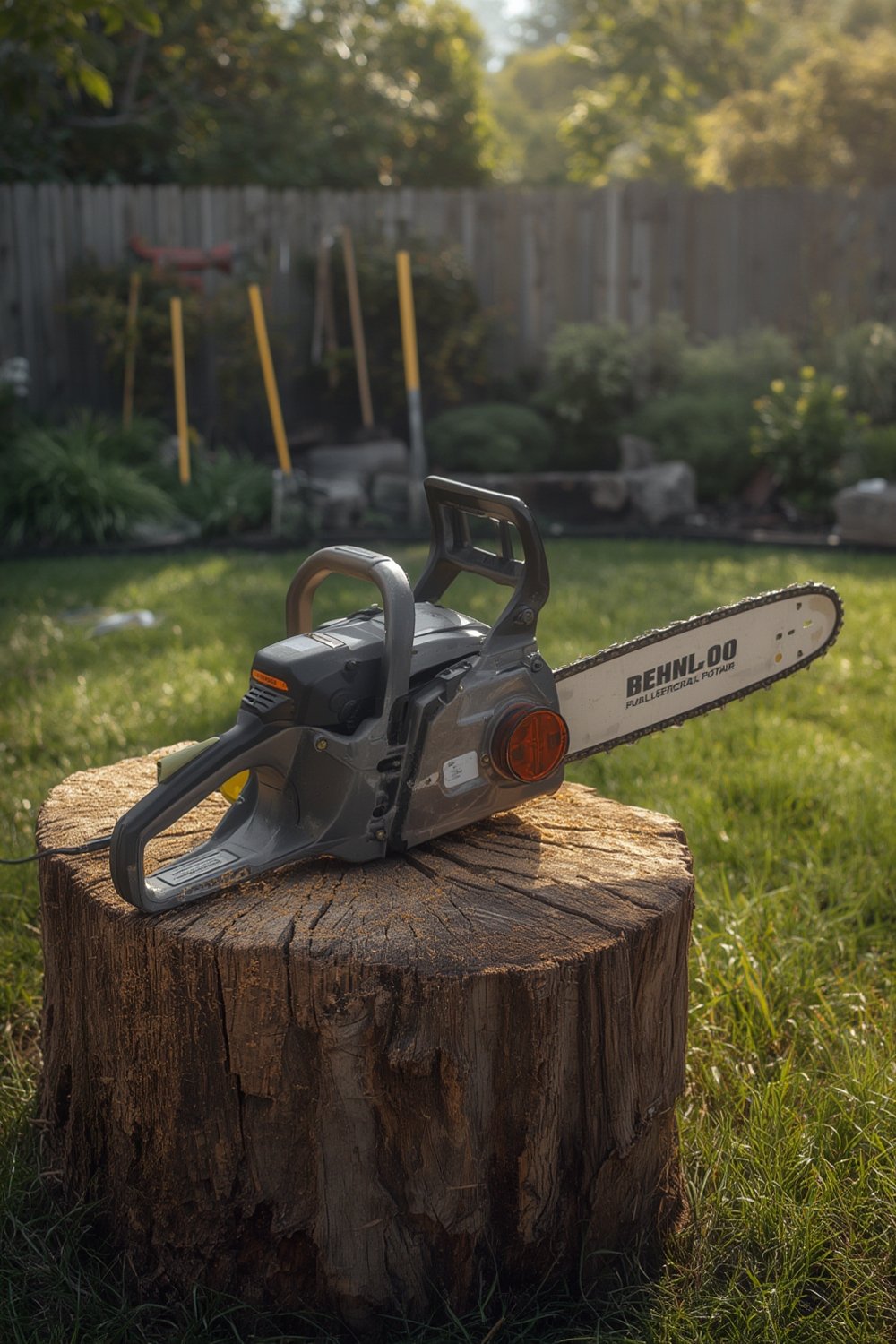
In 2024, electric chainsaws captured 65% of the global mini chainsaw market—a market valued at $0.5 billion and projected to more than double by 2034. Their popularity is driven by eco-friendly preferences and a demand for lightweight, user-friendly garden tools. A report found that 62% of homeowners prefer lighter tools for outdoor work, further solidifying the case for compact electric models. (source)
Unlike full-size gas chainsaws, portable electric models focus on ease of use, minimal maintenance, and quieter operation—making them ideal for small branches, routine trimming, and anyone nervous about using traditional chainsaws.
For even more insight into modern home tools, check out our guide to the best RGBIC floor lamp for any room.
How to Use a Portable Electric Chainsaw: Step-by-Step Guide
- Choose the right model: Consider battery capacity, bar length (typically 4-8 inches for mini chainsaws), and safety lock features. Avoid tools with vague safety mechanisms. Look for well-reviewed options specifically marketed as a “one hand chainsaw” or “small chainsaw for branches.”
- Charge the battery fully: Most units arrive partially charged. Top off the battery for maximum runtime before your first use, especially if your chosen model has reports of short battery life. Consider carrying a spare battery for continuous yard work.
- Prep the workspace: Remove debris, rocks, or tangled branches. Always wear gloves and safety glasses―and never use a mini chainsaw overhead.
- Inspect chain tension and lubrication: Use the supplied tensioning tool and check for adequate chain oiling—most portable electric chainsaws feature simple, tool-less chain tensioning.
- Start cutting: Keep two hands on the tool until comfortable; cut slowly and let the chain do the work. Don’t force the blade—this can strain the motor or quickly drain the battery.
- Maintain after use: Clean the chain, check tension, and recharge the battery immediately. Remove battery when storing to prevent phantom drain or accidental startup.
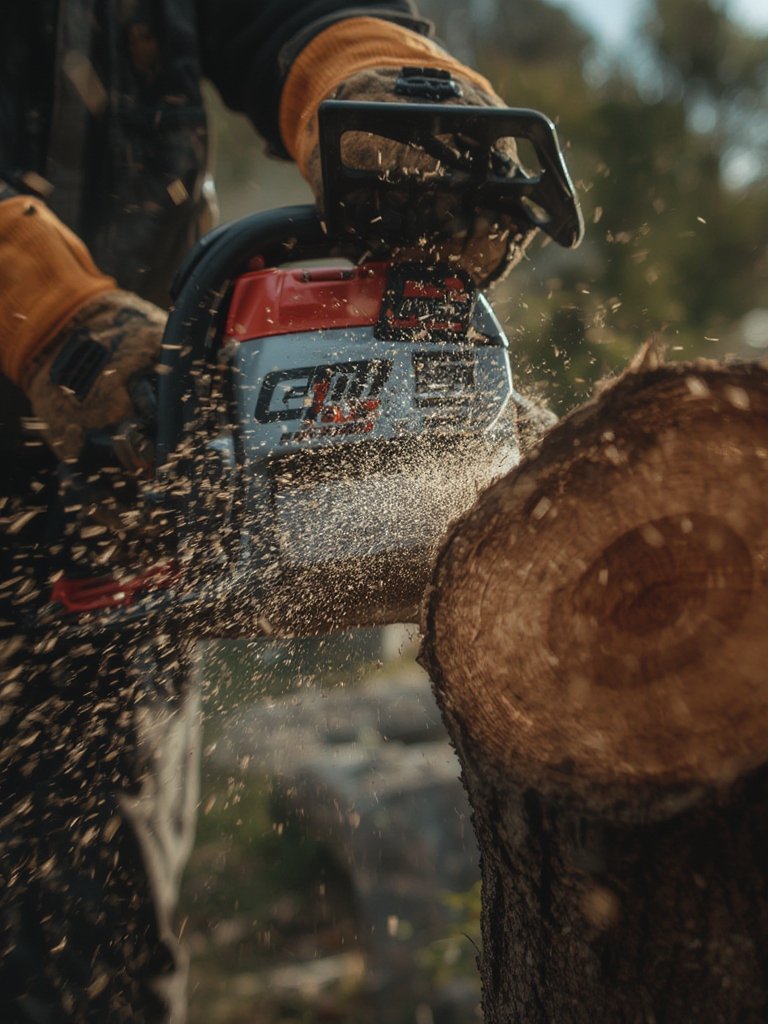
Curious how portable chainsaws stack up against other handy tools for the home? Explore our reviews of the electric jar opener for seniors and the portable coffee grinder for busy mornings.
Advanced Analysis: Pitfalls, Drawbacks, and Practical Problems
Despite their surge in popularity, portable electric chainsaws come with real-world limitations most buyers only discover after use. Here’s an honest look at what to expect:
- Battery Life Limitation: Battery powered pruning chainsaws typically yield 15–30 minutes per full charge under normal load. Continuous thick-branch cutting or cold weather further reduces runtime.
- Cutting Power Constraints: Electric minis lag behind gas in raw power. Struggling with anything larger than 3-4 inch limbs is common—forcing the tool risks stalling or damaging the motor.
- Charging Hassle: Entry-level models may require hours to recharge. Charging inefficiency is a top complaint and restricts workflow if you don’t have extra batteries.
- Safety Risks: Reviews commonly mention accidental activation, lack of guard features, or variable chain tension. Unlike pro saws, safety features on budget electric models may not cover all risks, so caution is critical. (source)
- Maintenance & Longevity: Real-world reports highlight that while electric chainsaws are simpler to maintain than gas, cheap models can suffer rapid wear and poor durability over a few seasons.
| Aspect | Portable Electric Chainsaw | Traditional Gas Chainsaw |
|---|---|---|
| Weight | 2.5–6 lbs | 10–15 lbs |
| Runtime per Charge/Tank | 15–30 min (battery) | 30–60 min (fuel) |
| Power Output | Best for <2.5 in branches | Handles up to 20 in logs |
| Noise/Vibration | Low | High |
| Maintenance | Minimal (no gas, spark plugs) | High (fuel, air filters, spark plugs) |
| Safety Features | Varies widely; check for quality locks | Standard, often more robust |
Market research shows North America is the current leader for these tools, especially in urban gardening sectors (source). Competition is tough, and lower-cost units can be tempting, but may skimp on safety features or longevity.
When evaluating for your own yard, always focus on “electric pruning saw” models with clear, user-tested safety records and quality assurance. For a proven runtime improvement walkthrough, visit our full guide 7 Best Ways to Maximize Portable Electric Chainsaw Runtime.
Conclusion
Portable electric chainsaws have transformed what’s possible for modern, effortless yardwork—but they are not without trade-offs. While lightweight, eco-friendly, and ideal for smaller branches, buyers must consider battery life, true cutting capacity, and the safety feature gap between premium and discount options. Ultimately, the right portable electric chainsaw offers a safe, fast, and reliable tool for routine backyard maintenance, as long as you choose wisely and stay alert to its limitations.
Ready to experience the convenience of lightweight, low-maintenance yardwork? We recommend checking the latest models and always reading up-to-date owner reviews before buying. Start making yard work faster and safer—your trees (and your back) will thank you.
FAQ
What is the average battery life for a portable electric chainsaw?
Most portable electric chainsaws provide 15–30 minutes of active cutting on a full battery, depending on wood thickness, chain sharpness, and temperature.
Are mini battery powered chainsaws safe for beginners?
Yes, but only when basic safety rules are followed: always use two hands at first, check chain tension, wear protective eyewear and gloves, and never cut overhead. Avoid under-featured budget models that skip essential safety locks.
Can portable electric chainsaws cut large branches?
They’re best for branches under 2.5–4 inches in diameter. For anything thicker, a larger electric or gas chainsaw is required for safe and effective results.
Is runtime or motor power more important when choosing a mini chainsaw?
Both are crucial: longer runtimes allow more work between charges, but without enough power, thick or green branches will stall the saw. Look for balanced specs and honest real-world reviews.
What should I consider before buying a one hand chainsaw for yard work?
Prioritize safety features (trigger lock, hand guard), battery runtime, chain tensioning ease, and warranty. Avoid the cheapest options unless user feedback and support are solid.
If you’re organizing your home along with your yard, don’t miss our reviews for the best stuffed animal storage solution and the ultimate tree bookshelf with cabinet.